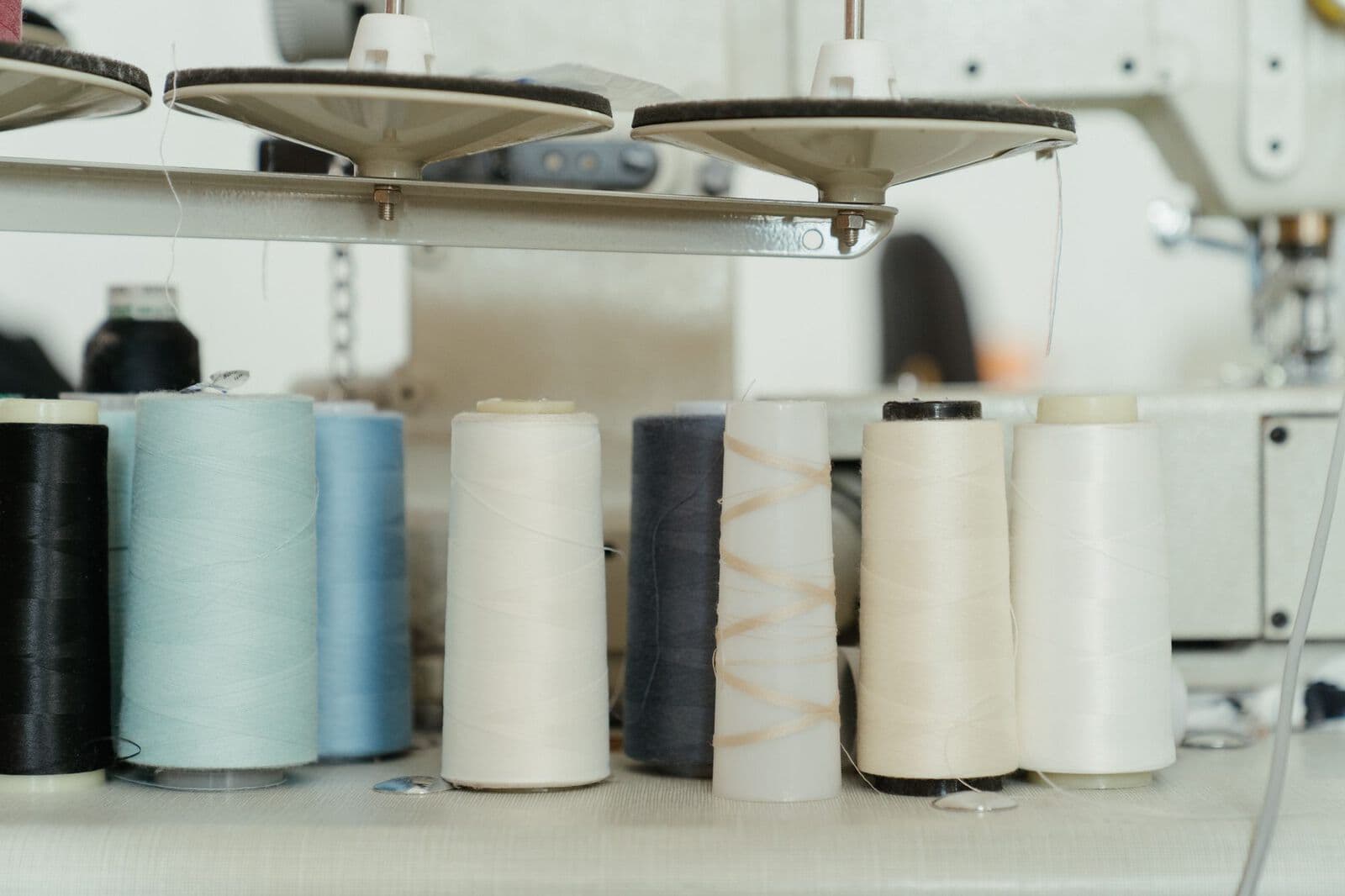
On-the-ground production follow-up
Garment Production Management and Follow-Up
Garment production management is the work between purchase order and shipment: making sure materials arrive, production starts on time, quality is right on the line and problems surface early enough to fix. Our team in Bangladesh follows your orders at partner factories and reports progress against an agreed time and action (T&A) calendar.
We coordinate and monitor; the factory remains responsible for producing to the approved standard. What we add is independent visibility — regular factory visits, written status updates and early warning when a milestone is at risk — so decisions about air freight, split shipments or revised dates are made while there is still time to act.
How this service runs
- 01
T&A calendar
After order confirmation we build a milestone calendar with the factory: fabric booking, approvals, cutting, sewing, finishing, inspection and ex-factory.
- 02
Material follow-up
We track fabric and trim bookings, check in-house dates and review fabric test results before cutting.
- 03
Pre-production meeting
Factory merchandising, production and QC teams review the PP sample, comments and known risks before cutting starts.
- 04
Line monitoring
During production we visit the factory, compare output with the plan and coordinate inline inspections.
- 05
Reporting and escalation
You receive weekly status reports, and anything that threatens a milestone is escalated immediately with options.
- 06
Readiness for shipment
We confirm finishing and packing progress, then hand over to final inspection and export coordination.
Milestones we track on a typical order
These milestones form the backbone of the T&A calendar. Dates are set per order with the factory.
| Milestone | Why it matters | What we confirm |
|---|---|---|
| Fabric booked | Fabric is often the longest lead-time item | Mill booking confirmation and promised delivery date |
| Lab dips and trims approved | Late approvals delay bulk dyeing and trim orders | Approval dates recorded against the calendar |
| PP sample approved | Production should not start without an approved standard | Approved, sealed sample on file at the factory |
| Fabric in-house and tested | Shrinkage or shade issues are cheaper to fix before cutting | Test results and shade bands reviewed |
| Cutting start | Marks the real start of bulk production | Cut quantities against the order breakdown |
| Sewing and finishing | Most delays become visible here | Daily output versus plan, and inline results |
| Final inspection and ex-factory | Decides whether booked shipping dates hold | Inspection date, result and cargo readiness |
Common production risks we watch for
Most late shipments give warning signs weeks in advance, if someone is watching.
- Late fabric
- Mill delays or failed fabric tests push cutting back, so we chase bookings and test results early.
- Approval bottlenecks
- Pending buyer approvals stop work at the factory; every report lists outstanding decisions.
- Line loading
- Factories may move lines between orders, so we compare actual output with the planned daily target.
- Unauthorized subcontracting
- Work moved to unapproved units creates quality and compliance risk, so we check where your order is being made.
- Seasonal pressure
- Peak seasons and public holidays affect capacity and logistics, and we build them into the calendar.
What a status report contains
A useful status report tells you what changed, what is at risk and what decision is needed from you. Ours list each order and style with the current milestone, planned versus actual dates, inline inspection results, open approvals and any issue that needs your input, with photos where they help.
When a delay is likely, we set out the options — a partial shipment, a revised ex-factory date or a change of shipping mode, for example — and who would bear the cost under your agreement with the factory, so you can decide quickly. Our garment quality control guide explains how inline checks feed into these reports.
Frequently asked questions
Do you replace the factory's merchandiser?
No. The factory's merchandiser manages its internal planning. We work alongside them as your representative, checking progress independently and keeping a single line of communication to you.
How often will I receive updates?
Weekly written reports are standard, with immediate contact when a milestone is at risk. Updates can be more frequent in the weeks before ex-factory.
Can you manage orders placed directly with a factory we already use?
In many cases, yes, provided the factory agrees to our visits and reporting. To start, we need the purchase order, approved samples and the agreed T&A calendar.
How is production management charged?
For orders placed through us it is usually part of our commission or service fee rather than a separate charge. For orders with factories outside our network, a fee may apply. In either case the commission or service fee structure is agreed in writing before production.
Who is responsible if production is late?
Responsibility for delivery sits with the party contracted to supply, usually the factory, under the terms of your purchase order. We monitor and escalate early, but we do not take on the factory's contractual obligations unless that is explicitly agreed in writing.
Related services
Products we source
Guides and markets
Get production visibility
Tell us about your current or upcoming orders, factories and delivery dates. We will explain how we would set up the T&A calendar, factory visits and reporting for your program.