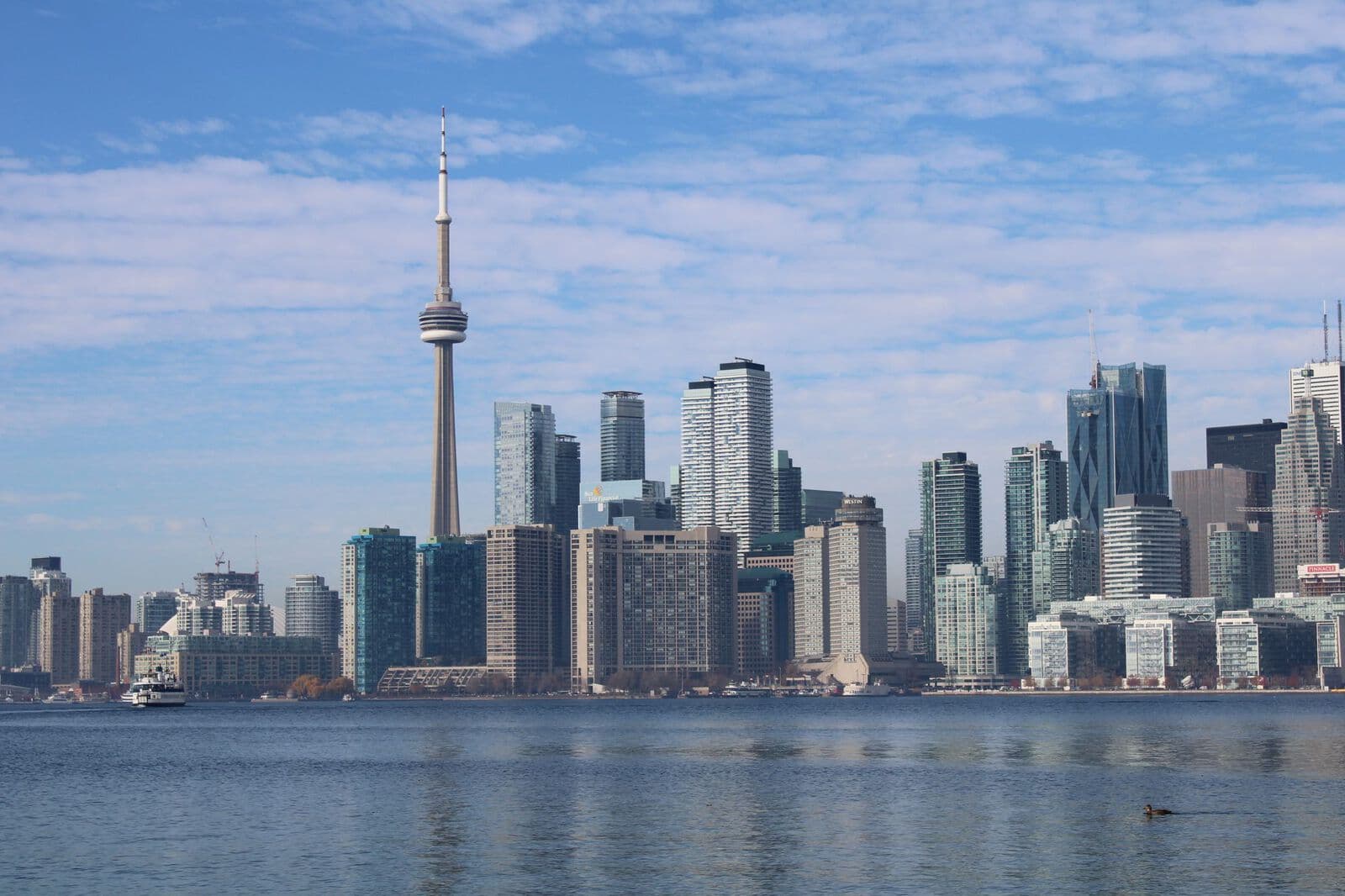
Garment sourcing for Canada
Bangladesh Clothing Suppliers for Canadian Brands and Importers
Canadian importers sometimes assume a US-ready garment is Canada-ready. Often it is not: Canada requires bilingual English and French fiber content labels with a Canadian dealer identity, has its own flammability and children's sleepwear regulations, and has offered Bangladesh a separate tariff preference. Our sourcing team works with partner factories that we verify before use and adapts labels, tests and documents for Canada, including programs that ship to both Canada and the US.
This overview is for planning, not legal advice. Confirm current requirements with the relevant federal agencies and a licensed customs broker.
Buyer requirements to plan for in Canada
A practical overview, not legal advice. Requirements depend on the product, the importer and current rules, so confirm them with the official source or your customs broker.
- Bilingual fiber content and dealer identity
- The Textile Labelling Act and the Textile Labelling and Advertising Regulations, administered by the Competition Bureau, require consumer textile articles to show fiber content in English and French and the dealer's identity, either by name and postal address or by a CA identification number. A US RN number does not replace this.
- Care labeling
- Care labeling is voluntary in Canada, but where care instructions are given, the national care labeling standard (CAN/CGSB-86.1) sets out the symbols. Most Canadian retailers expect a care label, and symbols help where bilingual text competes for label space.
- Flammability and children's sleepwear
- Under the Canada Consumer Product Safety Act, the Textile Flammability Regulations set requirements for consumer textiles, and the Children's Sleepwear Regulations add stricter requirements for sleepwear in children's sizes. Health Canada also publishes guidance on drawstrings in children's outerwear.
- Chemicals in children's products and trims
- Rules on lead, phthalates and certain other substances can apply to children's products and components such as coated trims, vinyl prints or metal parts. A testing lab can confirm which regulations apply to your styles; we specify restricted substances in the purchase terms.
- Forced labor and supply chain reporting
- The Fighting Against Forced Labour and Child Labour in Supply Chains Act requires entities and government institutions that meet its criteria to report annually, by May 31, on steps taken to prevent and reduce forced and child labor in their supply chains. The Customs Tariff also prohibits imports of goods produced wholly or partly by forced or child labor.
- CBSA entry and CARM
- Commercial importers need a business number with an import-export program account, and the CBSA Assessment and Revenue Management (CARM) system is used to account for and pay duties and taxes. Importers taking release before payment generally need financial security registered in the CARM Client Portal.
- Quebec French-language rules
- If you sell in Quebec, the Charter of the French Language sets additional requirements for French on products, packaging and documents, and recent amendments have tightened them. Check inscriptions and trademarks with your adviser.
Trade and duty context
As of November 2026, Bangladeshi garments have been eligible for Canada's Least Developed Country Tariff (LDCT), which has generally provided duty-free entry for qualifying goods that meet its rules of origin (verify current status). With graduation from LDC status scheduled for 24 November 2026, confirm eligibility and any transitional treatment for each shipment date.
- Rules of origin: LDCT rules for apparel set conditions on where inputs and processing may come from. Confirm the rule for your product with your broker.
- Proof of origin: the importer must hold acceptable origin evidence when claiming a preference.
- Fallback: if LDCT does not apply, another tariff treatment and rate apply, which can change landed cost significantly.
- Classification: knitted garments generally fall under Chapter 61 and other garments under Chapter 62; check the current Customs Tariff published by the CBSA.
- GST: goods and services tax is generally assessed at import on top of any duty.
We do not quote duty rates. Confirm classification and treatment with a licensed customs broker and the CBSA.
Shipping from Bangladesh
Canadian cargo from Bangladesh usually sails from Chattogram via a transshipment hub to Vancouver or Prince Rupert for western and central Canada, or to Montreal or Halifax for eastern Canada, with urgent goods flown from Dhaka to Toronto Pearson or other hubs.
- West Coast: after arrival in Vancouver or Prince Rupert, containers often move by rail to Toronto and Montreal distribution centers.
- East Coast: Montreal and Halifax routings are typically longer by sea from South Asia and depend on Suez or Cape routings, but can suit Quebec and Atlantic distribution.
- Transit time: port-to-port ocean transit typically sits in a broad range of around four to eight weeks, plus inland rail time; air freight usually takes several days.
- Winter: weather can disrupt rail and port operations, so build buffer into winter delivery dates.
FOB Chattogram is common for sea freight. Documents usually include the commercial invoice or Canada Customs Invoice data, packing list, bill of lading and origin evidence for any preference claim. See export coordination.
Canada versus US: what changes on the garment
The garment itself rarely changes between a US and a Canadian order, but the label, the tests and the paperwork do. A combined North American label is possible if it carries English and French fiber content, the Canadian dealer identity, the US RN number or company name, and care information that meets both sets of rules.
Canadian programs also lean toward cold-weather categories such as fleece, knitwear, insulated jackets and base layers, which affects fabric choice, testing and freight volume. Bangladesh is strong in fleece and knits, while outerwear capability varies more by factory, so we match each program to partner factories with relevant experience. See jackets and knitwear.
Canadian requirements by topic
| Requirement | What it covers | What to prepare |
|---|---|---|
| Textile Labelling Act and Regulations | Bilingual fiber content and dealer identity | English and French label text, CA number or dealer name and address |
| CAN/CGSB-86.1 (voluntary) | Care instructions and symbols | Wash-tested care instructions using the standard's symbols |
| Textile Flammability Regulations | Flammability of consumer textiles | Test reports for higher-risk fabrics such as brushed or raised surfaces |
| Children's Sleepwear Regulations | Flammability and design of children's sleepwear | Fabric and fit decided at development, test plan, correct labels |
| Forced and child labor provisions | Import prohibition and annual reporting for entities in scope | Supply chain map, supplier declarations, audit and remediation records |
| CBSA and CARM | Customs accounting, payment and release | Business number import account, CARM portal setup, financial security, complete invoice data |
How we adapt Bangladeshi orders for Canada
These steps are added to standard sampling, production follow-up and inspection.
- Bilingual label build
- We draft English and French label text, check the CA number and fit the content within a label size the factory can print.
- Shared North American programs
- Where a style ships to both countries, we plan one label and test set covering both, or split label runs by destination.
- Cold-weather product checks
- For outerwear and insulated goods we review fill, trims and seam construction at sampling, and check closures and measurements at final inspection.
- Origin and supply chain paperwork
- Invoices, packing lists, origin documents and mill information are kept consistent so your broker can assess any preference claim and your reporting is supported.
- Time-zone overlap
- Dhaka is roughly 9 to 14 hours ahead of Canada depending on province and daylight saving, so updates typically arrive at the start of your day.
Confirm tariff treatment before you price
Canada has given Bangladeshi goods access under the Least Developed Country Tariff, but Bangladesh's LDC graduation is scheduled for 24 November 2026, and any transitional or replacement treatment should be checked. Verify the current position with the CBSA and a licensed customs broker before confirming costs.
Frequently asked questions
Can we use our US labels in Canada?
Usually not without changes. Canada requires fiber content in English and French and the Canadian dealer identity, either a CA number or a name and address. A combined North American label can work if it meets both countries' rules, and we can draft one for your approval.
How do we get a CA identification number?
CA numbers are issued by the Competition Bureau to Canadian dealers. The factory cannot apply on your behalf. Once you have yours, we include it in the label artwork.
Do children's sleepwear rules differ from the US?
Yes. Canada's Children's Sleepwear Regulations set their own requirements, so a US test report alone may not be enough. Decide fabric and fit at design stage and confirm the testing scope with a lab that tests to Canadian requirements.
Does the supply chain reporting law apply to us?
It applies to entities that meet criteria in the Act, including size thresholds based on assets, revenue and employees, and certain listed companies. Smaller importers may still be asked for information by retail customers that report. Check your status with Public Safety Canada guidance or your adviser.
What is CARM and how does it affect us?
CARM is the CBSA system for assessing and collecting duties and taxes. Importers register in the CARM Client Portal, and those taking release before payment generally need financial security. Your broker can help with setup; we make sure the factory's invoice data is complete.
Sources and references
- Textile Labelling Act and Textile Labelling and Advertising Regulations, Competition Bureau Canada
- Consumer product safety: textile flammability and children's sleepwear, Health Canada
- Importing commercial goods, CARM and the Customs Tariff, Canada Border Services Agency
- Fighting Against Forced Labour and Child Labour in Supply Chains Act, Public Safety Canada
- Consolidated Acts and Regulations, Justice Laws Website (Department of Justice Canada)
Regulations, tariffs and preference schemes change. Always confirm current requirements with the official source or a licensed customs broker.
Products buyers source
Services that help
Guides
Plan a Canada-ready order
Send your tech pack, quantities and destination provinces, and we will outline partner factory options, the label and test plan, and a realistic timeline.