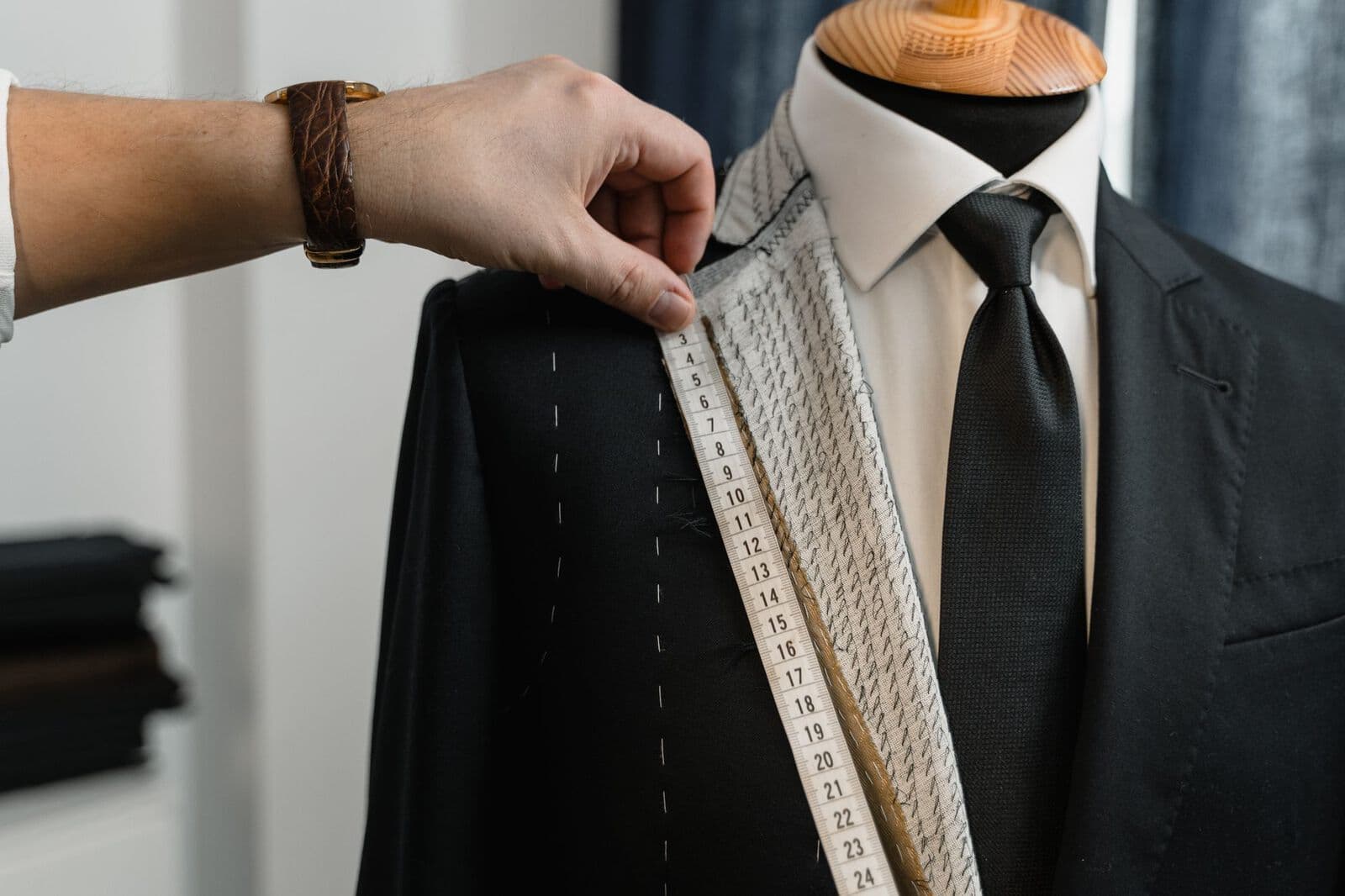
AQL-based inspection coordination
Garment Quality Inspection in Bangladesh
Garment quality inspection checks that production matches the approved sample and your specification before goods leave the factory. We coordinate inspections at partner factories in Bangladesh at the stages that matter — during production and before shipment — using AQL sampling based on ISO 2859-1 and defect definitions agreed with you in advance.
Inspection does not create quality; it measures it. That is why we tie every inspection to the approved PP sample and measurement chart, and why inline checks matter as much as the final one: problems found while the line is still running cost far less to fix than problems found in packed cartons.
How this service runs
- 01
Agree the standard
Before production we confirm the approved PP sample, measurement chart, AQL levels, defect list and any functional tests.
- 02
Plan inspections
Inspection dates are added to the T&A calendar so the factory has goods ready at the right stage.
- 03
Inline and DUPRO checks
Early checks on the line catch recurring defects while correction is still possible.
- 04
Pre-shipment inspection
Once production is complete and the agreed share is packed, a random sample is drawn from finished cartons and inspected.
- 05
Report and decision
You receive a report with defect counts, photos and a result. Release, rework or re-inspection is your decision.
- 06
Loading supervision
Where required, an inspector checks carton count, condition and loading before the container is sealed.
Inspection types and when to use them
Each inspection answers a different question, so most programs combine at least two.
| Inspection | Timing | Main purpose |
|---|---|---|
| Pre-production check | Before cutting | Confirms bulk fabric, trims and PP sample match approvals |
| Inline inspection | Early in sewing, often in the first days of output | Finds recurring workmanship and measurement issues while they can be corrected |
| During-production (DUPRO) | With a meaningful share of goods produced | Checks quality across a larger sample and confirms progress |
| Pre-shipment (final random) | With production complete and most goods packed | Accepts or rejects the lot using AQL sampling before release |
| Container loading supervision | At loading | Confirms carton quantity, condition, marks and loading practice |
How AQL sampling works
AQL sampling inspects a statistically defined sample instead of every garment. Under ISO 2859-1, the lot size and inspection level (General Inspection Level II is common) determine the sample size, and the acceptance quality limit set for each defect class determines how many defects can be found before the lot is rejected.
Many apparel buyers set a tighter limit for major defects than for minor ones and accept no critical defects, such as needles, sharp objects or safety hazards. The levels are your choice; we help you set them, document them and apply them consistently. Our garment quality control guide explains AQL tables in more detail.
What inspectors check
A garment inspection covers far more than visible stitching faults.
- Workmanship
- Seams, stitch density, puckering, open seams, stains, shading between panels and finishing.
- Measurements
- Key points of measure on a sample of garments per size, checked against tolerances.
- Materials and color
- Fabric, trims and color against approved standards, including shade consistency across cartons.
- Branding and labeling
- Main, care and content labels, hangtags and barcodes in the correct position and with the correct content.
- Functional checks
- Zipper and snap operation, seam strength pulls and needle detection records where required.
- Packing
- Folding, polybags, assortment, carton dimensions, weight and shipping marks.
Using a third-party inspection company
If your policy requires an independent third-party inspection company, we coordinate dates, factory access and documents with the firm you nominate. We can also suggest established firms operating in Bangladesh for you to appoint directly. Third-party fees are charged by the inspection company under its own terms.
Frequently asked questions
What AQL levels should I use for garments?
There is no single correct level; it depends on your product, price point and customer expectations. Many buyers use a tighter AQL for major defects than for minor ones and accept no critical defects. We help you document the levels and defect definitions before production.
What happens if an inspection fails?
The report shows the defects found. Usually the factory sorts or reworks the affected goods and a re-inspection is arranged. Who pays for re-inspection is set by your agreement with the factory, and releasing goods after a failure is always your decision.
Are inspections independent of the factory?
Inspectors we assign act on your behalf and report to you, not to the factory. If your policy calls for an accredited third-party company, we coordinate with the firm you appoint.
How are inspection services charged?
Inspection can be included in our commission or service fee for orders we manage, or charged per inspection or per inspector day for standalone requests. The commission or service fee structure is agreed in writing before production, and third-party inspection fees are quoted separately.
Can you inspect orders from factories outside your network?
Often, yes, if the factory grants access. We will need the purchase order, the approved sample or specification and your acceptance criteria.
Sources and references
- ISO 2859-1: Sampling procedures for inspection by attributes — Part 1, International Organization for Standardization (ISO) (Search the ISO catalog for the current edition and any amendments.)
Regulations, tariffs and preference schemes change. Always confirm current requirements with the official source or a licensed customs broker.
Related services
Products we source
Guides and markets
Plan inspections for your order
Share your order details, approved standards and shipping date. We will propose inspection stages, suggest AQL levels to discuss and set dates that fit your production calendar.