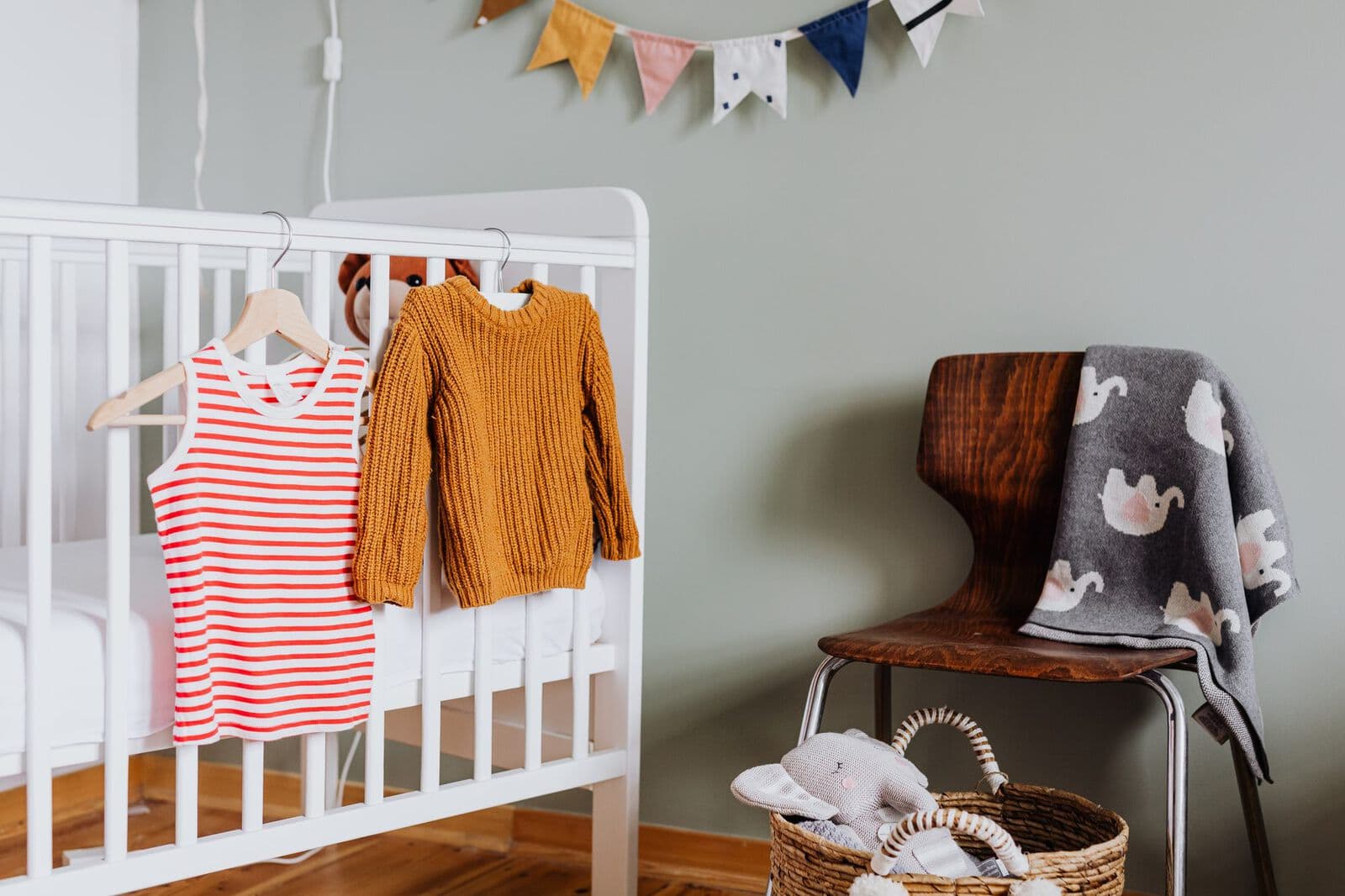
Products · Kidswear
Kidswear Manufacturer in Bangladesh for Babywear and Children's Clothing
We source babywear and children's clothing for kidswear brands, retailers and online stores: bodysuits, rompers, sleepsuits, kids' T-shirts, hoodies, joggers, denim, dresses, jackets and pajamas. Our sourcing team works with vetted partner factories in Bangladesh experienced in children's products, and we manage sampling, testing and inspection.
Children's clothing has to meet stricter safety rules than adult clothing, and those rules vary by market and age group. Small parts, cords and drawstrings, flammability and chemical content all need to be considered from the first sketch, not added at the end. This page sets out the main safety checks, the categories we source and a compliance-first sampling approach. Use our country pages for market-specific overviews, and verify current requirements with an accredited testing lab.
Child safety shapes every kidswear specification
In kidswear, safety requirements come first and design works within them. A trim that is fine on adult clothing can be a choking hazard on babywear, and a hood drawcord that suits an adult hoodie can be prohibited on a child's.
Requirements vary by market and by age group. For example, the United States has specific requirements for children's products under the Consumer Product Safety Improvement Act, including lead limits, phthalate limits where applicable, third-party testing, a Children's Product Certificate and tracking labels. In Europe, EN 14682 covers cords and drawstrings on children's clothing, and general product safety rules apply. Sleepwear often has its own flammability requirements in several markets.
We review designs for safety risks before sampling and plan testing with you based on your destination markets.
Children's clothing safety checks
| Risk | Examples | Typical control | Where rules come from |
|---|---|---|---|
| Small parts and choking | Buttons, snaps, appliqués, sequins, pom-poms | Secure attachment, pull testing, avoiding small trims on babywear | Market safety rules and buyer standards |
| Cords and drawstrings | Hood cords, waist ties, long sashes | Remove or limit by age group and garment area | For example EN 14682 in Europe and US rules on children's upper outerwear |
| Flammability | Loose garments, sleepwear, brushed fabrics | Fabric selection and flammability testing | Market flammability regulations, often stricter for sleepwear |
| Chemical content | Prints, dyes, coatings, metal trims | Restricted substances list and lab testing | Market chemical rules and brand RSLs |
| Sharp points and broken needles | Needle fragments, staples, sharp trims | Needle control policy and metal detection | Buyer standards and safety rules |
| Labeling and traceability | Care, fiber content, tracking information | Correct labels per market | Market labeling and tracking requirements |
Kidswear categories we source
- Babywear
- Bodysuits, rompers, sleepsuits and gift sets in soft knits with envelope necks and tested snaps.
- Toddler and kids basics
- T-shirts, leggings, joggers, hoodies and sweatshirts in age-based or height-based sizing.
- Kids denim and wovens
- Jeans, shorts, dresses and shirts with child-safe trims and adjustable waists.
- Kids outerwear
- Jackets and padded coats designed without hazardous hood cords.
- Sleepwear
- Pajamas and sleepsuits, where flammability rules often require specific fabrics or fits.
A compliance-first sampling approach
- 01
Confirm markets and age groups
List where the products will be sold and for which ages, so the right rules apply.
- 02
Design safety review
Review sketches for small parts, cords and sharp trims before sampling.
- 03
Select tested trims
Use snaps, buttons and zips with supplier test data, and nickel-free metal parts where required.
- 04
Lab test PP samples
Test PP samples or bulk materials at an accredited lab for the agreed list.
- 05
Inline controls
Needle control, metal detection and pull tests during production.
- 06
Final inspection and documents
Inspection before shipping and test reports or certificates ready for the importer.
Requirements differ by market and age group
There is no single global kidswear standard. A product that complies in one market may not comply in another, and requirements change. Check our market overviews for the United States, the United Kingdom, Germany and Australia, then verify current requirements with official sources or an accredited testing lab before production.
Frequently asked questions
What is the MOQ for kidswear?
Kidswear MOQs are usually set per style and color, and they are spread across many sizes. Factories may be flexible on size breakdowns within a color. The MOQ is confirmed in the quotation.
Can you source organic cotton babywear?
Yes, through factories certified to standards such as GOTS or OCS. We check that certification covers the factory making your goods and request transaction certificates for certified shipments.
Can children's hoodies have drawcords?
Drawcords in the hood and neck area of young children's clothing are restricted or prohibited in many markets. We recommend designing children's hoodies without hood drawcords and checking the rules for each market and age group.
Which tests are typical for kidswear?
Commonly snap and button pull tests, cord checks, flammability, chemical tests (for example lead, phthalates, azo dyes and formaldehyde, depending on market), colorfastness and dimensional stability. We agree the list with you and your lab.
How long does kidswear production take?
Sampling usually takes two to four weeks per round, plus time for lab testing. Bulk kidswear production then commonly runs seven to eleven weeks after PP approval. The schedule is confirmed in the quotation.
Sources and references
- U.S. Consumer Product Safety Commission, U.S. Consumer Product Safety Commission (CPSC) (Official source for US children's product requirements, including CPSIA testing and certification.)
- EN 14682: Safety of children's clothing, cords and drawstrings, European Committee for Standardization (CEN) (Check the current edition through a national standards body.)
- Global Organic Textile Standard (GOTS), Global Organic Textile Standard International Working Group
Regulations, tariffs and preference schemes change. Always confirm current requirements with the official source or a licensed customs broker.
Related products
Services for this category
Buyer guides
Source safe, compliant kidswear
Tell us your target markets, age groups, styles and quantities. We will match partner factories experienced in children's products and plan sampling and testing around your market requirements.