Manufacturing capabilities
Garment Manufacturing in Bangladesh: What Our Partner Network Makes
Garment manufacturing in Bangladesh covers most mainstream apparel categories, and our partner network reflects that range: circular-knit basics and fleece, woven shirts and bottoms, denim, flat-knit sweaters, outerwear, workwear and activewear. This page explains what each product family involves, which fabric, process and decoration choices sit behind it, and what decides whether a particular factory fits your order.
The capabilities described here apply to the network as a whole. For a specific order, each fabric, process and certification is confirmed in writing by the selected factory before you receive a quotation.
Fabrics, processes and decoration
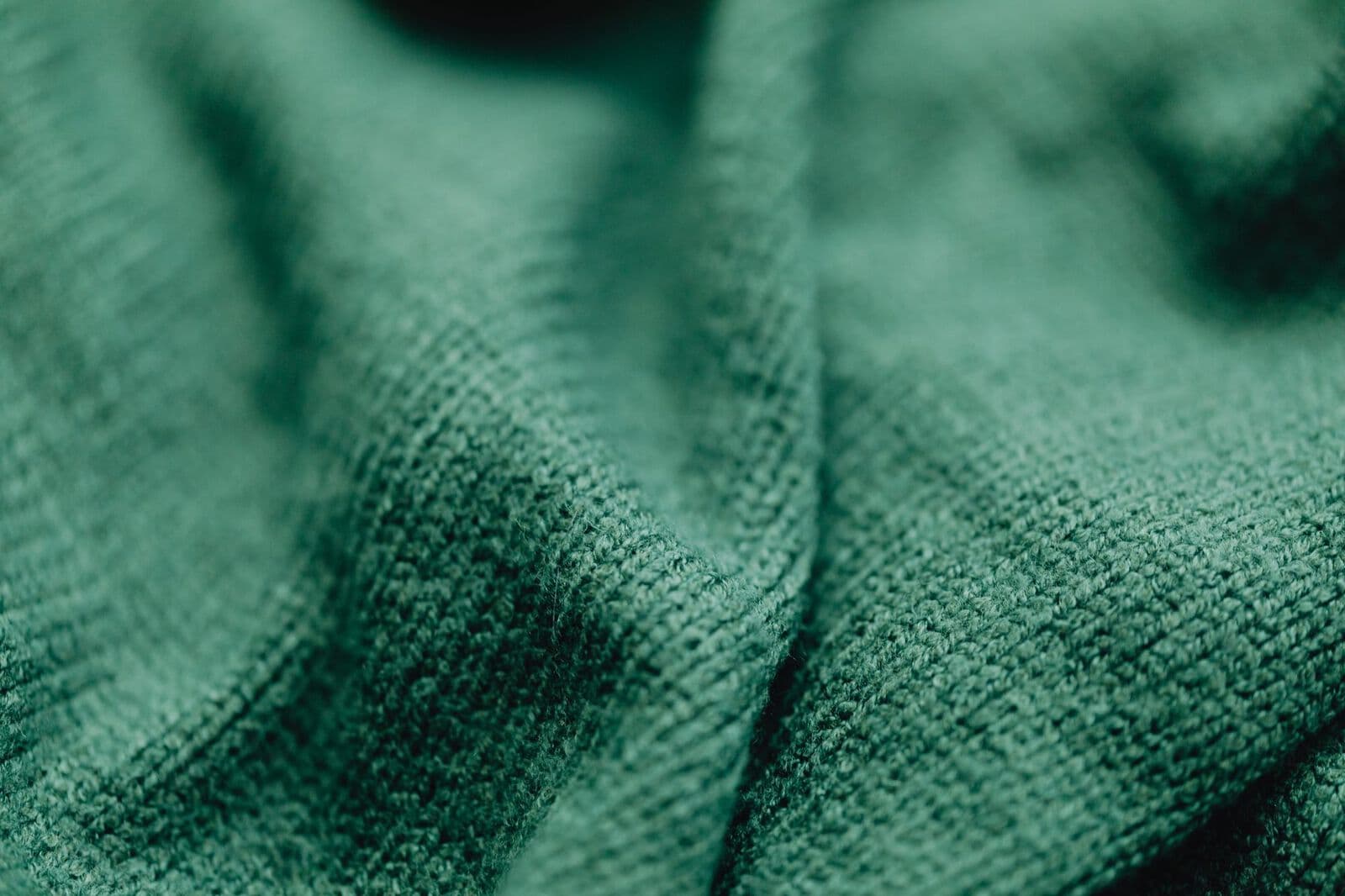
Knit fabrics
- Single jersey
- Slub jersey
- Pique
- Rib and interlock
- Fleece and French terry
- Waffle and textured knits
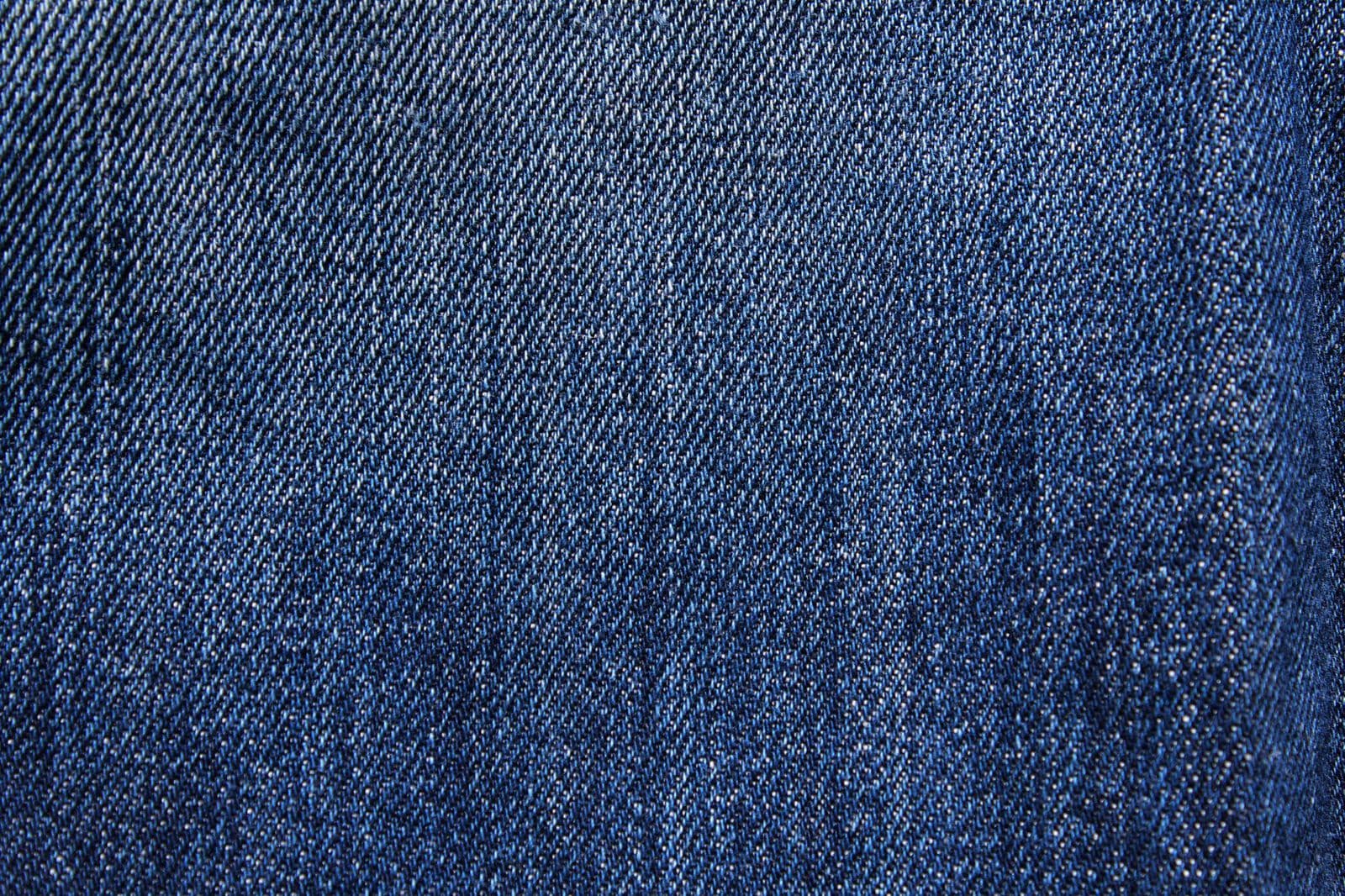
Woven fabrics
- Poplin and oxford
- Twill and canvas
- Denim (rigid and stretch)
- Flannel
- Viscose and blends
- Technical shell fabrics
Processes
- Cut and sew
- Flat knitting (sweaters)
- Garment dyeing
- Denim washing and finishing
- Padding and quilting
- Bonding and taping (selected factories)
Decoration
- Screen printing
- Digital printing (DTG / DTF)
- Embroidery and appliqué
- Heat transfer
- Woven and printed labels
- Custom packaging
These are processes commonly available within Bangladesh's garment industry and within the network we source from. Availability for a specific order depends on the factory selected and is confirmed in writing during quotation.
Capabilities by product family
Most factories specialize in one or two product families. Matching starts with the family, because machinery, skills and fabric supply differ sharply between them.
| Product family | Typical products | Usual factory set-up | Points to confirm |
|---|---|---|---|
| Circular knits | T-shirts, polos, tank tops, sleepwear, kidswear basics | Vertical knit composites, or cut-and-sew units buying fabric from local mills | GSM tolerance, shrinkage, shade consistency between dye lots |
| Fleece and French terry | Hoodies, sweatshirts, joggers | Knit composites with brushing and raising machines | Pilling performance, brushed side, rib match, zipper and drawcord sourcing |
| Woven tops | Shirts, blouses, overshirts | Woven shirt factories using local or imported fabric | Fabric origin and lead time, collar and cuff fusing, button and thread specs |
| Woven bottoms and denim | Chinos, cargo pants, five-pocket jeans, denim jackets | Bottoms factories with an in-house or nearby laundry | Wash standard and shade band, shrinkage after wash, rivets and zippers |
| Flat knits | Sweaters, cardigans, knit vests | Sweater factories with manual or computerized flat-knitting machines | Gauge, yarn source, linking method, weight tolerance |
| Outerwear | Jackets, parkas, gilets, padded coats | Specialized outerwear lines, often with imported shell fabrics | Fill type and weight, quilting, seam sealing where required |
| Workwear and uniforms | Work trousers, coveralls, service shirts | Woven factories set up for heavy-duty sewing | Durability tests, reinforcement, any protective claims (only with valid certification) |
| Activewear and sportswear | Leggings, training tops, team jerseys | Knit factories with flatlock and coverstitch, some with sublimation | Stretch recovery, test evidence for any performance claim |
Fabric depth: what is made locally and what is imported
Fabric supply is usually the largest single factor in lead time. Bangladesh has substantial local capacity for spinning, circular knitting, dyeing and finishing of cotton and cotton-blend knits, and many knit factories are vertical composites that knit and dye in-house. A custom knit with a specific GSM, blend or color can therefore often be developed close to the sewing floor.
Wovens work differently. Local mills produce some shirting, bottom-weight and denim fabrics, but many woven, synthetic and technical fabrics are imported, adding booking, transit and customs time before cutting. Where speed matters we look at stock or greige-based fabrics, or fabric booked against a forecast. Mill minimums per color often set the real garment MOQ; the fabric guide covers fabric specification.
Processes and decoration in more depth
The capability grid above lists the processes. These notes cover the choices behind them.
- Dyeing
- Piece dyeing of knit fabric is the norm for solid colors. Yarn-dyed stripes and checks need longer development. Garment dyeing gives a washed look but adds shrinkage and shade variation to control.
- Screen printing
- Water-based, plastisol, discharge and specialty inks such as puff, foil and high-density are widely available. Discharge prints need a dye and fabric compatibility check before bulk.
- Digital and all-over printing
- DTG and DTF suit detailed artwork on smaller runs, and sublimation suits polyester sportswear. All-over prints are usually done at fabric stage and need a longer lead time.
- Embroidery
- Flat embroidery, appliqué and 3D puff are common on multi-head machines. Stitch count and backing affect both cost and the feel of the garment.
- Washing and finishing
- Denim laundries offer enzyme, stone, bleach and tint washes, with laser and ozone finishing at selected laundries. Knits and fleece can be softened, brushed or given anti-pilling finishes.
- Packing
- Folding, polybagging with warnings, hangtags, barcode labels, assortment packing and carton marking to your routing guide.
Capacity considerations
Capacity means the right line at the right time, not factory size alone.
- Line booking
- Factories book line capacity months ahead around their main customers' seasons. A slot confirmed early is often worth more than a lower price confirmed late.
- Style complexity
- Line efficiency falls with complex construction and frequent style changes. A factory that runs basics well may struggle with short fashion runs, and the reverse.
- Material readiness
- A booked slot only holds if fabric and trims arrive and are approved on time. Late materials push production back regardless of available lines.
- Specialist processes
- Printing, embroidery and washing often run in separate units or at subcontractors with their own queues. Any subcontracting must be disclosed and approved.
- Holiday and seasonal peaks
- Output tightens in the weeks before Eid and takes time to recover afterwards while workers return.
What determines whether a factory fits your order
We assess fit against your order, not against a general reputation. Every point below is confirmed with the factory for your order before a quotation is sent.
- Category experience
- Recent production of the same garment type, at a similar quality level, for comparable markets.
- Quantity versus minimums
- Your quantity per style and color meets the factory's minimum, or the factory has accepted a lower quantity in writing.
- Processes
- Required processes are available in-house or through disclosed, approved subcontractors.
- Compliance evidence
- Required audits and certifications are valid on the relevant dates and cover the site and product.
- Market requirements
- Familiarity with your market's labeling, chemical and product safety rules, for example for children's wear.
- Delivery window
- Sampling, bulk production and freight fit before your required date, with a realistic buffer.
Testing labs and third-party inspection
Several international testing, inspection and certification companies operate laboratories and inspection offices in Bangladesh, alongside local labs. Buyers commonly nominate an accredited lab for tests such as colorfastness, dimensional stability, pilling, seam strength and restricted substances, and we coordinate sample submission and follow-up. Independent inspection companies can also be booked for inline or final inspections.
Test methods, accreditation scope and turnaround differ by lab, so we confirm them when the testing plan is agreed. Our quality control framework explains how testing fits into the inspection plan.
Frequently asked questions
Can one factory make my whole range?
Sometimes, but ranges that mix knits, wovens and sweaters usually need more than one factory, because each family uses different machinery and skills. We can coordinate several factories under one program and align their sampling and delivery dates.
Do factories subcontract printing, embroidery or washing?
It is common, particularly for specialist printing and denim washing. We require subcontracting to be disclosed and approved in advance, and where your requirements cover subcontractors, we check them as well.
Can you produce technical outerwear with taped seams?
Selected factories in the network make padded and technical outerwear, and some offer seam taping. Shell fabrics and membranes are often imported. Whether a factory can meet your waterproofing or performance specification is confirmed per style, with test evidence where you require it.
Can I use my own testing lab or inspection company?
Yes. Many buyers nominate their lab and inspection provider. We coordinate samples, schedules and access, and share the results with you alongside our own findings.
Services
Products
Guides and markets
Ready to source garments from Bangladesh?
Tell us what you need. We review every enquiry personally and reply with next steps, questions or factory options.