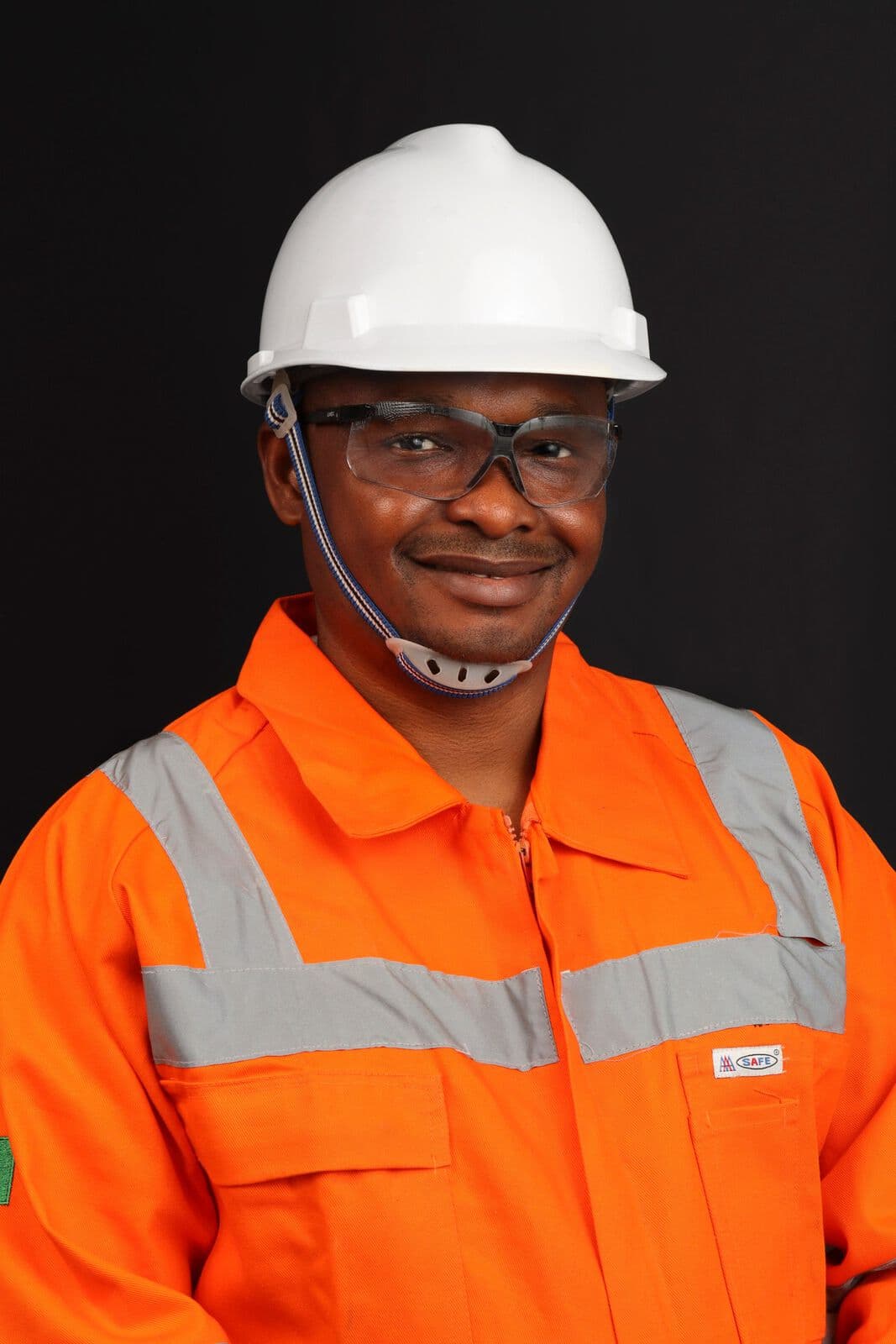
Products · Workwear
Workwear Manufacturer in Bangladesh for Work Trousers, Coveralls and Jackets
We source workwear for workwear brands, distributors and wholesalers: work trousers, cargo pants, coveralls, bib overalls, work jackets and shirts, and hi-vis garments. Our sourcing team works with vetted partner factories in Bangladesh experienced in heavy wovens and functional construction, and we manage sampling, testing and inspection.
Workwear is judged on function and durability. Fabrics must resist tearing and abrasion, seams must hold under strain, and garments often face industrial laundering. Where garments are sold as personal protective equipment, certification adds another layer. This page covers fabrics, functional details, the difference between workwear and certified PPE, and the durability tests that matter. For branded staff uniforms, see our uniforms page.
Workwear is specified by function and durability
A workwear spec starts with the job the garment must do. Kneeling, lifting, tool carrying and exposure to dirt and weather all translate into fabric weight, reinforcement and pocket layout.
Fabric strength is measured by tear, tensile and abrasion tests. Seams carry most of the strain, so workwear typically uses heavier thread, triple-needle or felled seams in stress areas and bartacks at pocket corners and belt loops. Stretch panels or stretch fabrics improve movement but must still meet strength targets.
Many workwear garments are washed at higher temperatures or in industrial laundries. Colorfastness, shrinkage and the durability of reflective tape should be tested under the laundering conditions your customers use.
Workwear fabric guide
| Fabric | Composition | Strengths | Typical garments |
|---|---|---|---|
| Polycotton twill | Polyester-cotton blends | Durable, low shrinkage, industrial-laundry friendly | Trousers, coveralls, jackets |
| Cotton canvas and duck | Cotton | Heavy, abrasion-resistant, ages well | Work jackets, bib overalls, trousers |
| Ripstop | Cotton, polycotton or nylon blends | Resists tear spread | Cargo trousers and field wear |
| Stretch canvas | Cotton or polycotton with elastane | Movement with durability | Modern work trousers |
| Heavy denim and twill | Cotton | Classic, hard-wearing | Carpenter pants and work jackets |
| Hi-vis fabrics | Fluorescent polyester or blends | Visibility when combined with retroreflective tape | Vests, jackets, trousers |
| Flame-resistant fabrics | Inherent or treated FR fibers | Designed for specific hazards | Certified FR garments only |
Functional details buyers specify
- Reinforced seams
- Triple-needle or felled seams at stress points and heavier thread.
- Bartacks
- At pocket openings, belt loops and fly to resist tearing.
- Kneepad pockets
- Pocket position and opening to fit your kneepad inserts.
- Tool and hammer loops
- Holster pockets, hammer loops and phone and pen pockets.
- Reinforcement panels
- Abrasion-resistant overlays on knees, hems and pocket edges.
- Retroreflective tape
- Tape type, width and placement, attached to survive washing.
- Movement features
- Gusseted crotch, articulated knees, action backs and stretch panels.
Certified PPE is a separate process
Garments sold as personal protective equipment, such as high-visibility clothing to ISO 20471 or ANSI/ISEA 107, or flame-resistant clothing to standards such as EN ISO 11612 or NFPA 2112, need certified materials, compliant design and testing or certification through approved bodies. In the EU, PPE falls under Regulation (EU) 2016/425. Only some factories can produce certified PPE. We can help find suitable factories and coordinate testing, but certification is issued by the relevant bodies and must be verified for each product and market.
Durability testing for workwear
- 01
Fabric tests
Tensile, tear and abrasion strength against your targets.
- 02
Seam strength
Seam strength and slippage at key seams.
- 03
Laundering
Shrinkage and colorfastness after repeated washing at the intended temperature.
- 04
Trims and tape
Zip, snap and reflective tape durability after washing.
- 05
Wear trial
Garments are worn on the job to collect practical feedback before bulk.
Frequently asked questions
What is the MOQ for workwear?
Workwear MOQs are usually set per style and color. Core colors in standard fabrics, such as navy or black polycotton, often allow lower minimums than custom colors. The MOQ is confirmed in the quotation.
Can you make hi-vis garments?
Yes, through factories that work with certified hi-vis fabrics and retroreflective tapes. If the garment will be sold as certified PPE, testing and certification by an approved body is required for the target market.
Can workwear withstand industrial laundering?
It can if fabrics, dyes and trims are chosen for it and tested. Share your laundering conditions so we can include them in the test plan.
Do you offer stretch workwear?
Yes. Stretch canvas and stretch panels are common in modern work trousers. Stretch fabrics should still be tested for tear and abrasion strength.
How long does workwear production take?
Sampling often takes three to four weeks per round, including wear trials where possible. Bulk production commonly runs eight to twelve weeks after PP approval, longer for certified garments. The schedule is confirmed in the quotation.
Sources and references
- ISO standards catalogue (including ISO 20471), International Organization for Standardization (Search the catalogue for current editions of workwear and PPE standards.)
- Regulation (EU) 2016/425 on personal protective equipment, European Union (Verify current requirements with the official EU source or a notified body.)
Regulations, tariffs and preference schemes change. Always confirm current requirements with the official source or a licensed customs broker.
Related products
Services for this category
Buyer guides
Source durable workwear
Send your workwear specs or reference garments with fabric targets, functional details, laundering conditions and quantities. We will match partner factories and propose a sampling and testing plan.