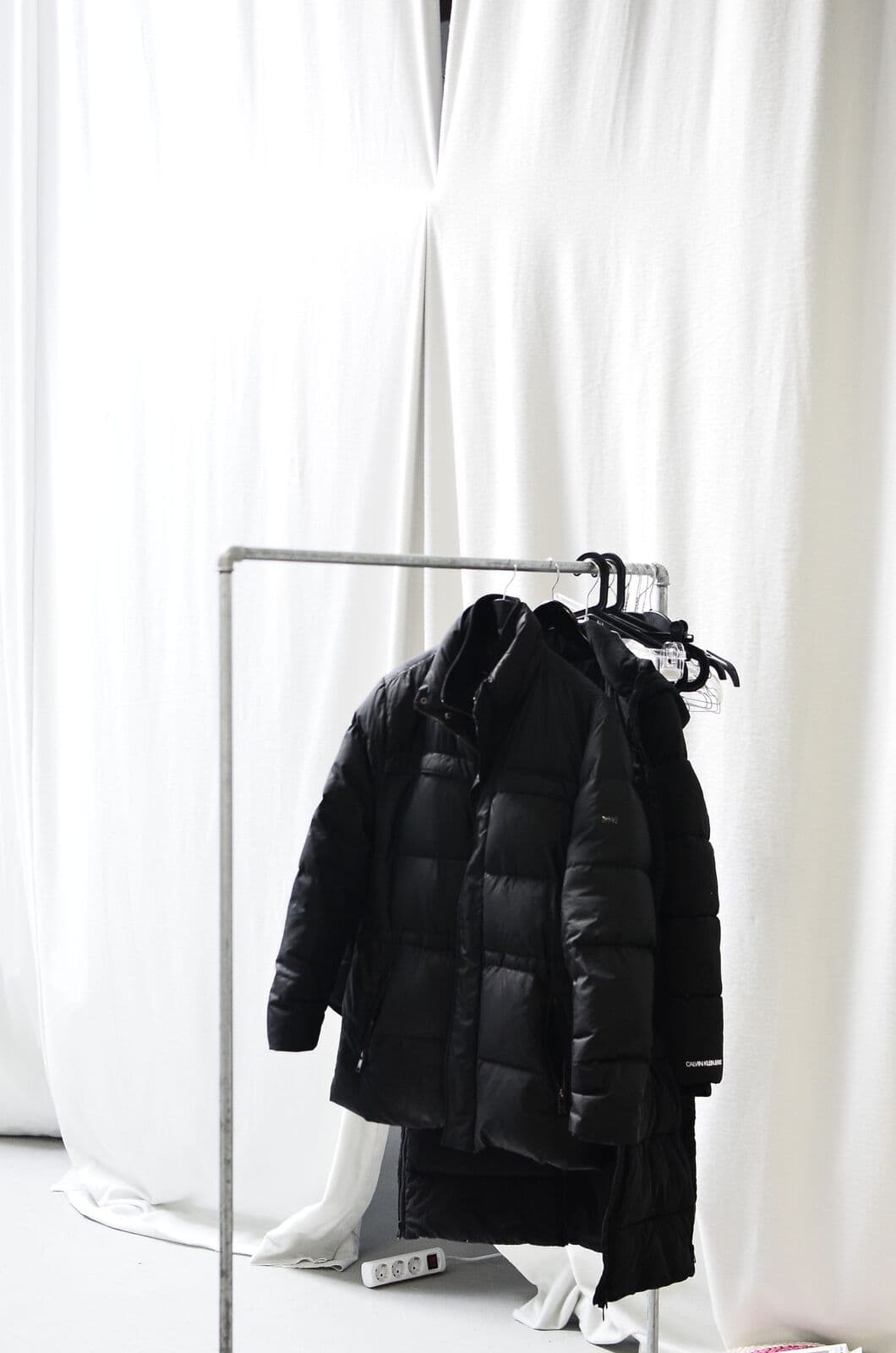
Products · Outerwear
Outerwear Manufacturer in Bangladesh for Puffers, Parkas and Weatherproof Jackets
We source performance and cold-weather outerwear for retailers, outdoor and sports brands and wholesalers: puffer jackets and vests, parkas, rain jackets, softshells and insulated coats. Our sourcing team works with vetted outerwear factories in Bangladesh that have quilting, down-filling, seam-taping or lamination capability, and we manage testing and inspection.
Outerwear is defined by what it must do: keep the wearer warm, dry or protected from wind. That means specifying performance targets, not just styling, and confirming them with test data. This page covers insulation and shell technologies, the performance specs to put in a tech pack, chemical considerations for water repellency and how we sample outerwear. For style-led bombers, coach and varsity jackets, see our jackets page.
Specify outerwear by performance target
An outerwear brief should state the performance you need, such as warmth level, waterproofness and breathability, before it describes the look. Those targets decide the shell, membrane, insulation and construction, and they drive cost.
For example, a showerproof city jacket can use a coated or water-repellent shell with untaped seams. A fully waterproof rain jacket needs a membrane or coating with taped seams and water-resistant zips. A warm winter puffer depends on fill type and weight, baffle construction and how cold spots are avoided at seams.
We use your performance targets to shortlist factories with the right equipment, because seam taping, down filling and lamination are not available everywhere.
Insulation and shell technologies
| Technology | What it does | What to specify | How it is verified |
|---|---|---|---|
| Down | High warmth for its weight | Down and feather ratio, fill power, fill weight per zone | Lab tests and certificates such as RDS where claimed |
| Synthetic padding | Warmth that holds up better when damp | Padding type and weight per square meter per zone | Supplier specification and garment checks |
| Coated shells | Water resistance from a PU or similar coating | Coating type and hydrostatic head target | Hydrostatic head testing |
| Laminated membranes | Waterproof and breathable barrier | 2-layer, 2.5-layer or 3-layer, plus targets | Hydrostatic head and breathability tests |
| Water-repellent finish | Water beads off the surface | Chemistry (for example PFAS-free) and durability | Spray rating after washing |
| Seam taping | Seals stitch holes | Fully taped or critical seams only, tape type | Water penetration checks on seams |
| Softshell | Stretch, wind and light water resistance | Bonded construction and backing | Fabric test reports |
Performance specs to put in the tech pack
- Waterproofness
- A hydrostatic head target and test method, for shell fabric and, if needed, after washing.
- Breathability
- A target expressed as MVTR or RET with the test method named.
- Insulation
- Fill type, fill power for down and fill weight or padding weight by body zone.
- Seams and zips
- Which seams are taped and whether zips are water-resistant or covered by storm flaps.
- Cold-weather details
- Storm flaps, inner cuffs, adjustable hoods, chin guards and hem drawcords.
- Down-proofing
- Fabric down-proofness and stitch density to limit feather leakage.
PFAS and water-repellent finishes
Several markets are restricting PFAS chemicals, which were traditionally used in water-repellent finishes. Specify PFAS-free water repellency where possible, ask suppliers for test reports and declarations, and verify the current requirements for each destination market on our country pages or with an accredited lab.
Outerwear sampling and testing
- 01
Fabric and test reports
Shell, lining and insulation are selected with supplier test reports.
- 02
Proto sample
Checks shape, baffle layout, hood and pocket design.
- 03
Filling or padding trial
Confirms fill weights and evenness across baffles.
- 04
Seam taping trial
Checks tape adhesion and water tightness at critical seams.
- 05
Lab testing
Performance and safety tests on bulk materials or garments.
- 06
PP sample and inspection plan
Approves the final build and sets inspection checkpoints.
Frequently asked questions
What is the MOQ for outerwear?
Outerwear MOQs are often higher than for basics, because shell fabrics, membranes, insulation and trims each have minimums and quilting and filling need setup. The MOQ is confirmed in the quotation; our MOQ guide explains the factors.
Can partner factories make fully taped waterproof jackets?
Some partner factories have seam-taping equipment and experience with waterproof shells. We confirm capability on site and in samples, and recommend lab testing of seams before bulk.
Should I use down or synthetic insulation?
Down gives high warmth for its weight and packs small; synthetic padding is easier to care for and keeps more warmth when damp. Cost, care instructions, animal welfare policy and target climate all factor into the choice.
Can you source certified down?
Yes, where suppliers hold certification such as the Responsible Down Standard. We check certificates and ask for transaction documentation for certified shipments.
How far ahead should I plan winter outerwear?
Plan well ahead of the selling season. Sampling and testing can take several weeks, and bulk production often runs ten to fourteen weeks after PP approval, longer for imported fabrics. The schedule is confirmed in the quotation.
Sources and references
- Responsible Down Standard, Textile Exchange (Certification standard for down and feathers; verify supplier certificates and scope.)
Regulations, tariffs and preference schemes change. Always confirm current requirements with the official source or a licensed customs broker.
Related products
Services for this category
Buyer guides
Plan your outerwear season
Share your styles with performance targets, insulation and shell preferences, quantities and delivery window. We will shortlist partner factories with the right equipment and propose a testing and sampling plan.