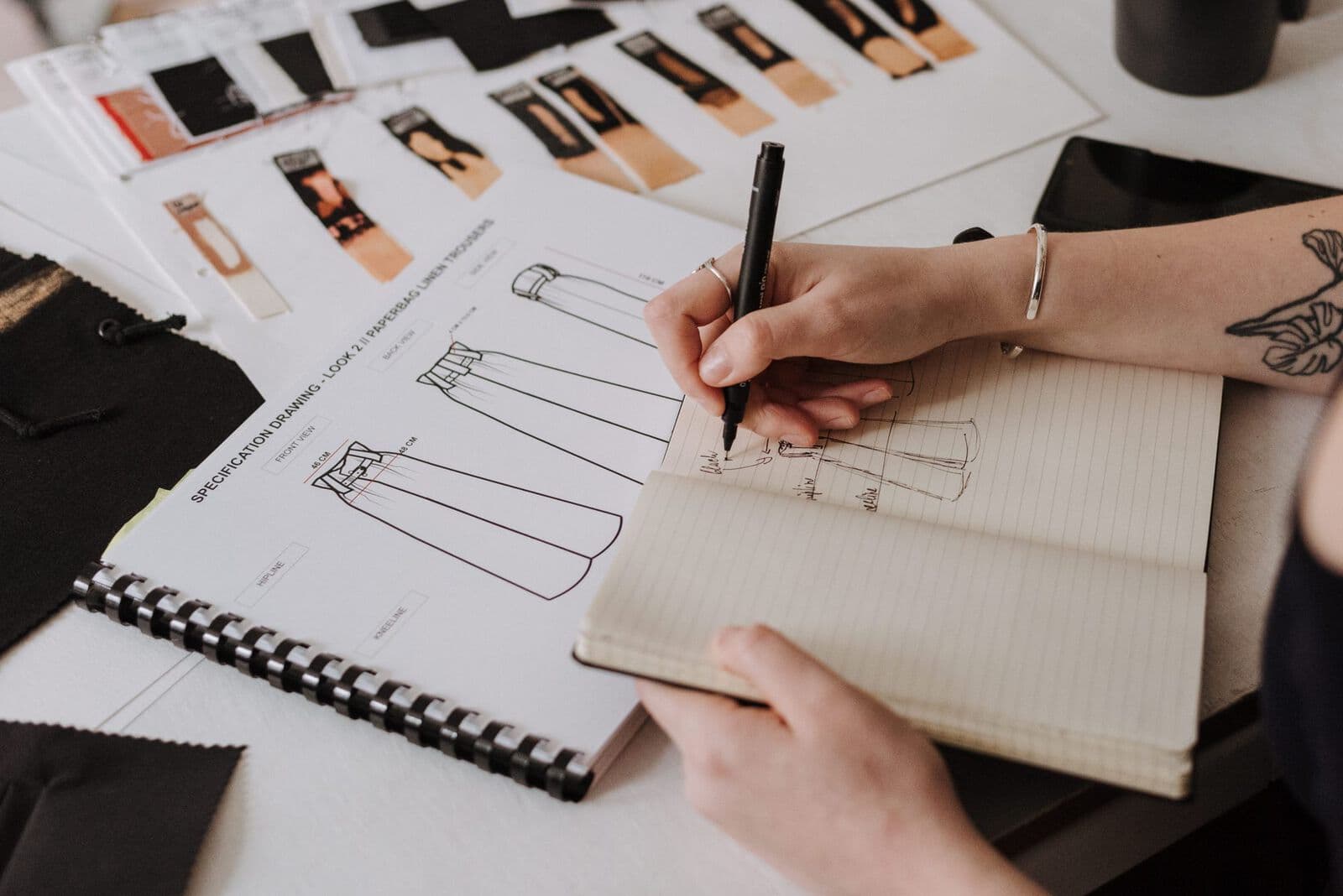
Fashion brands
Clothing Manufacturing Sourcing for Fashion Brands
Fashion brands need factories that can follow a seasonal calendar, hold fit and finish across collections and handle a mix of commercial basics and more design-led styles. We help fashion brands find and manage partner factories in Bangladesh for that mix, matching each style to a factory whose machinery and experience suit it rather than forcing a whole range into one supplier.
Bangladesh is strong in knits, denim, sweaters and casual wovens. We will tell you plainly where a style suits Bangladesh well and where another sourcing country may be the more practical choice.
Common challenges
- Seasonal deadlines
- Collections are tied to launch dates and wholesale windows, so late samples or fabric can push a whole drop back.
- Fit continuity
- Customers expect the same fit season after season, and changing factories or pattern makers often shifts measurements.
- Mixed range complexity
- One collection may include jersey tops, woven shirts, denim and knitwear, each needing different factory capabilities.
- Design protection
- Brands sharing original designs need confidence that patterns and artwork will not be reused for other buyers.
- Moderate depth per style
- Many styles at moderate quantities can fall below what large factories prioritize.
How we help
- Style-by-style factory allocation
- We split a range across partner factories by construction and fabric, so each style is made where it fits.
- Critical-path planning
- We build the sampling and production calendar back from your launch date and flag the approvals that put it at risk.
- Fit records
- Measurement charts, approved samples and fit comments are kept on file, so a new season starts from the last approved fit.
- Confidentiality
- Tech packs go only to shortlisted factories, with confidentiality terms in place where you need them.
- Workable minimums
- We look for factories and fabric options that make moderate quantities workable, and explain the cost trade-off when they are not.
Matching collection categories to factory types
Different parts of a collection usually need different factories.
| Collection category | Factory type to look for | Key approvals |
|---|---|---|
| Jersey tops and dresses | Knit factory with in-house cutting and sewing for light jersey | Hand feel, shrinkage and fit |
| Woven shirts and blouses | Woven factory experienced in collars, plackets and fine fabrics | Fabric quality, collar and cuff construction |
| Denim and casual bottoms | Denim factory with washing and finishing capability | Wash standard, fit and shade bands |
| Knitwear and sweaters | Flat-knit sweater factory | Yarn, gauge, tension and hand feel |
| Outerwear | Jacket factory with specialized sewing for padded or lined garments | Fill, seam construction and trims |
Planning a seasonal calendar with Bangladesh
A seasonal calendar works when sampling and fabric decisions are made early enough for bulk to start on time. For fashion brands, that usually means locking fabric and color before the final fit round, so mills can produce while fit is refined.
We plan backwards from your in-store or launch date, agree the latest approval dates with you and allow for courier time and public holidays in Bangladesh. Lead times depend on fabric, factory and season and are confirmed in the quotation; our garment sourcing guide describes the main stages.
What to prepare before approaching factories
These four inputs let us shortlist factories and steer costing from the first conversation.
- Range plan
- Styles, colorways and target quantities per style, even if they are provisional.
- Tech packs or references
- Specifications for new styles and approved fit samples for carry-over styles.
- Price architecture
- Target retail or wholesale price per style, so costing can be steered early.
- Delivery dates
- The in-store, e-commerce or wholesale dates the calendar has to meet.
Frequently asked questions
Can you work with small or emerging fashion brands?
Yes, where quantities per style are workable for partner factories. Smaller brands often do better with fewer styles at more depth. We explain realistic MOQs per style during quotation; see our MOQ guide.
Can one factory produce our whole collection?
Sometimes, for ranges built around one fabric type. Mixed collections usually work better across two or three specialized factories, which we coordinate so you still have a single point of contact.
How do you protect our designs?
We share designs only with factories shortlisted for the style, put confidentiality terms in place where required and do not use your designs in ODM collections for other buyers.
Do you handle both design-led and commercial styles?
Yes. Most styles are produced through OEM manufacturing to your tech pack, and some brands add ODM styles to fill gaps in a range.
Products for this segment
Relevant services
Guides and markets
Discuss your next collection
Share your range plan, launch dates and tech packs or references. We will suggest how to split the collection across partner factories and what the calendar needs to look like.